Evidence supports inflammation playing a role in Huntington’s disease pathogenesis. The mutant huntingtin protein disrupts immune cell function, centrally and peripherally.
Long before symptom onset, activated microglia and astrocytes can be detected and levels of pro-inflammatory molecules like IL-6 and TNF-α are found increased in CSF and plasma.
Far from being just a byproduct of neurodegeneration, inflammation could be an active driver of disease progression in HD, opening for anti-inflammatory therapies.
– – – – – – – – – – – – – – – – – – – – – – – – – – – – – – – – – – – –
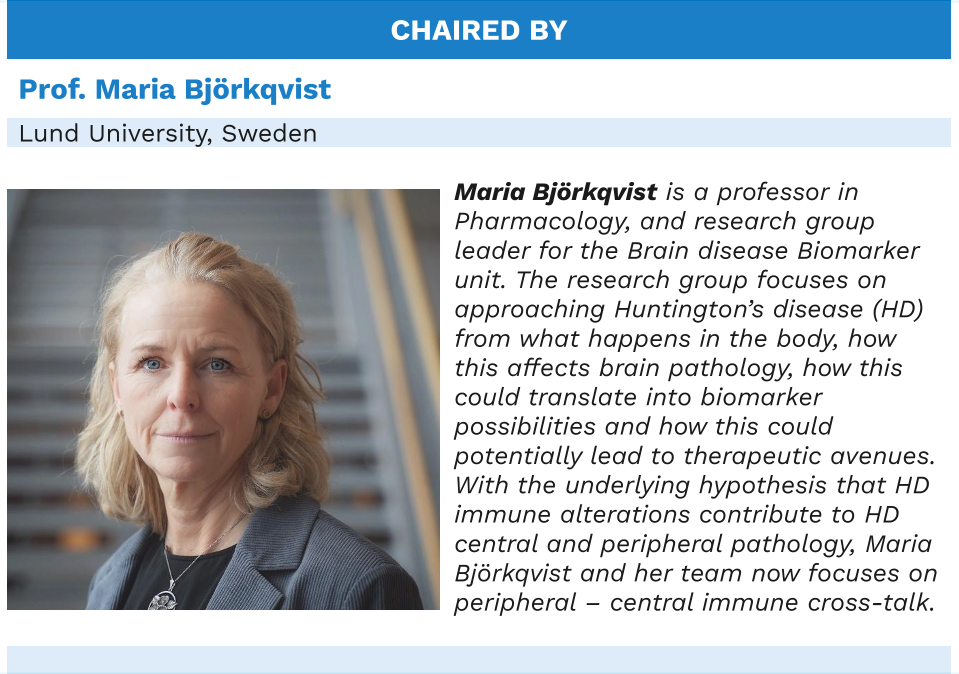
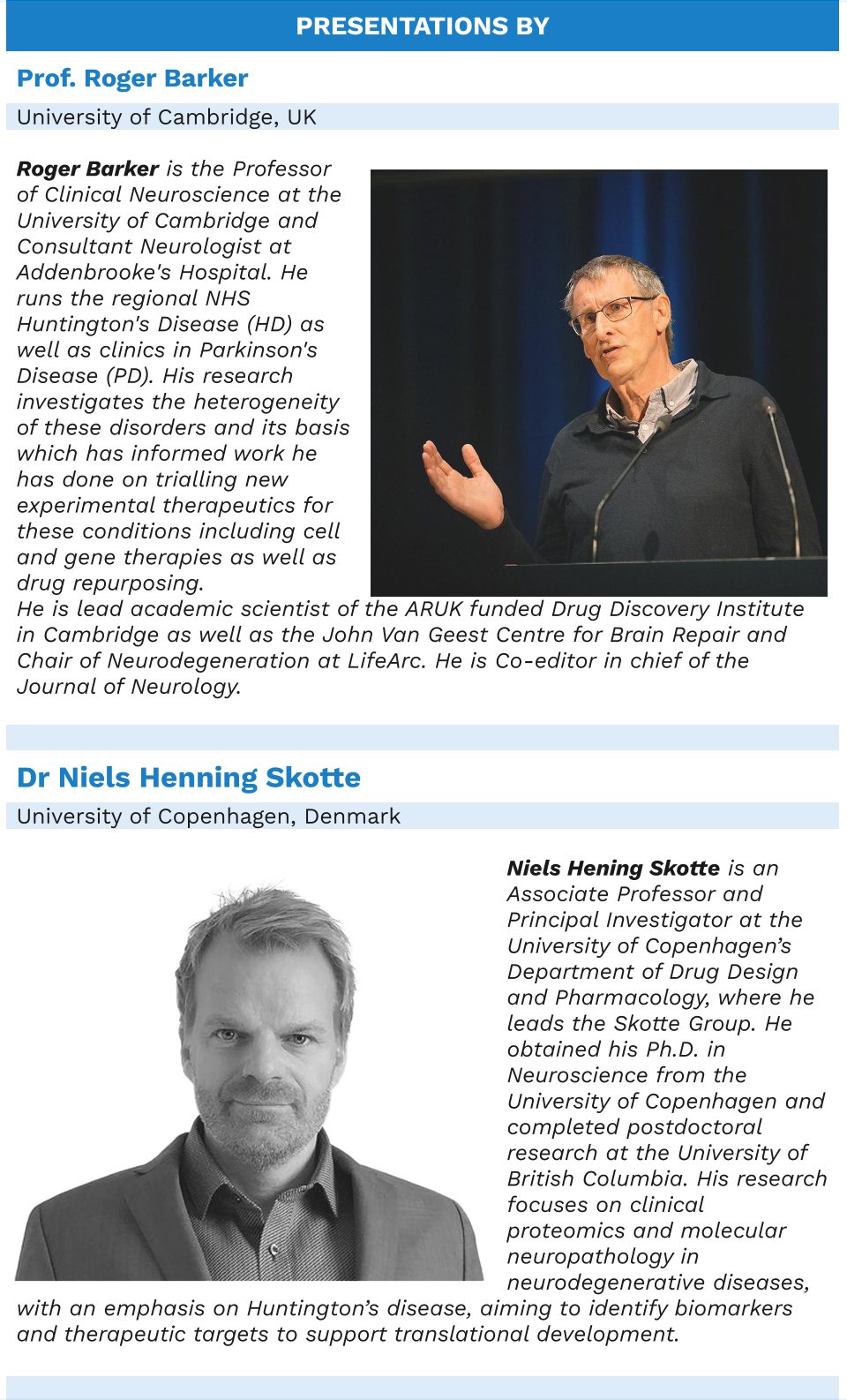
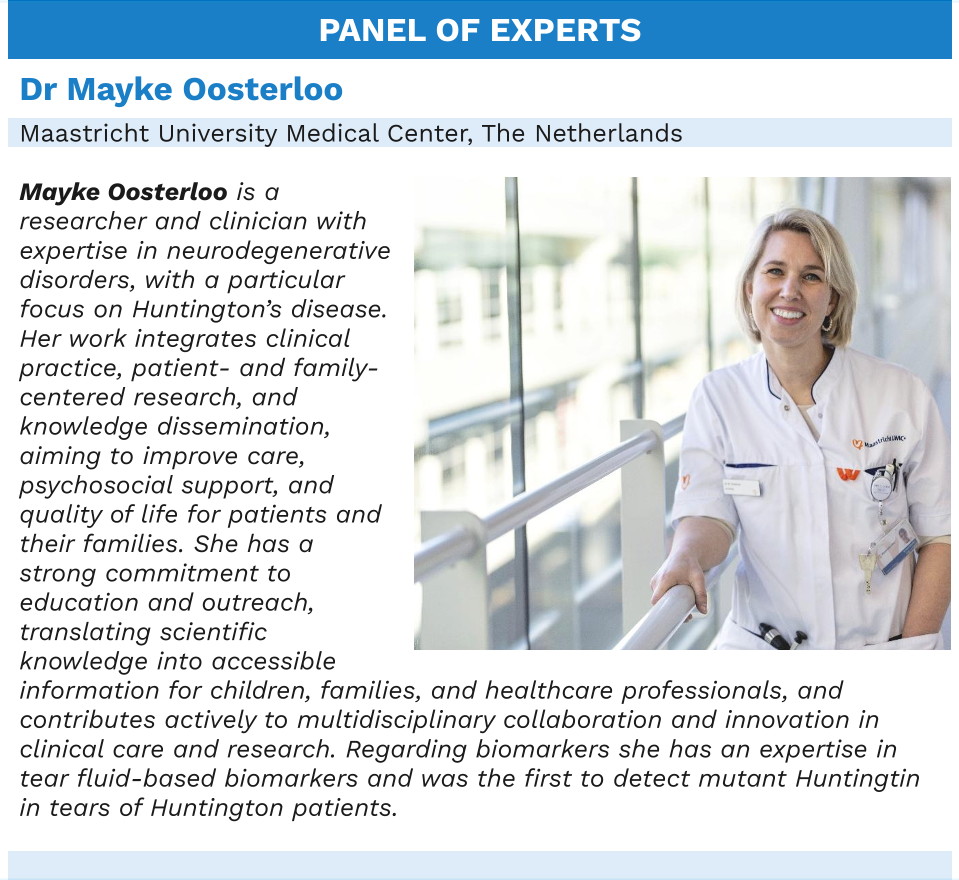
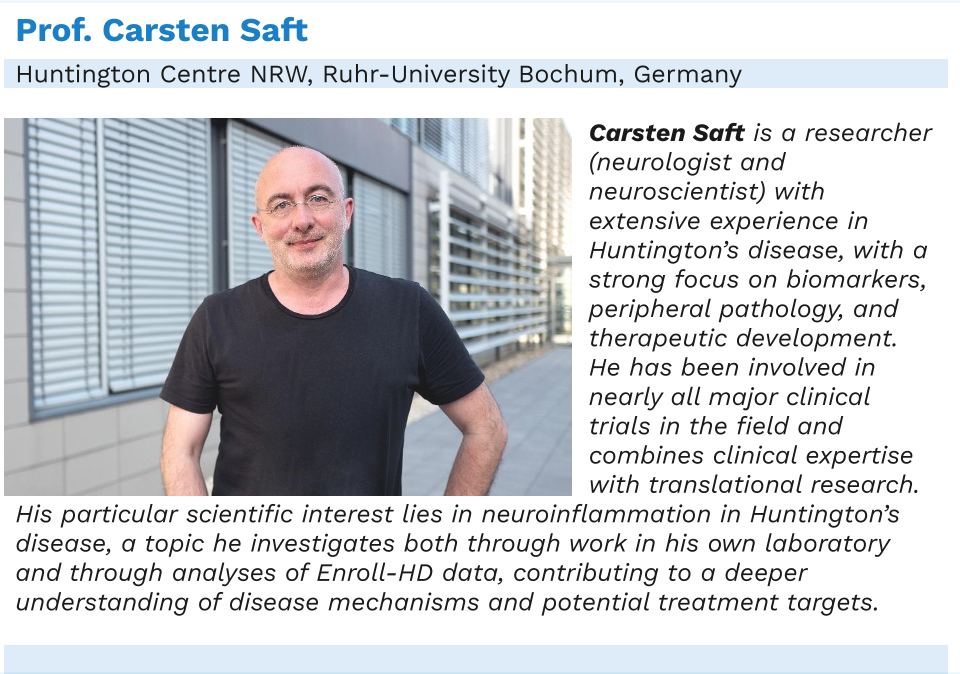
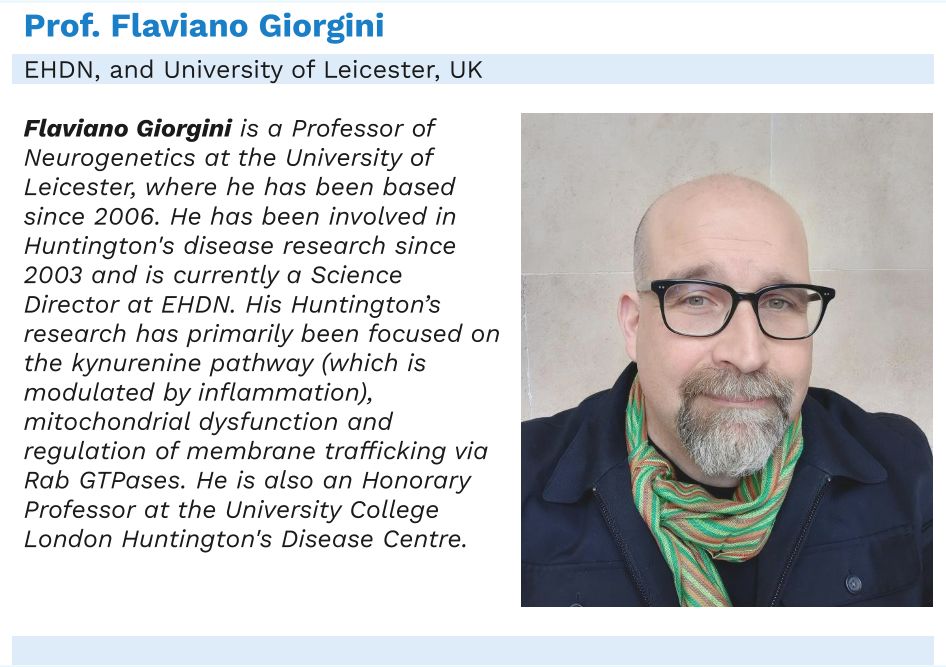
On Friday, the 30th of January 2026, EHDN hosted a Platform Meeting to address the question whether it is time to target inflammation in HD? Current literature and supporting evidence was presented by Prof. Roger Barker (University of Cambridge, UK) and Dr Niels Skotte (University of Copenhagen, Denmark). The talks were followed by an expert panel discussion (Mayke Oosterloo, Maastricht University Medical Center, Netherlands, Flaviano Giorgini, University of Leicester, UK, and Carsten Saft, Huntington Centre NRW, Ruhr-University Bochum, Germany). The Platform meeting was chaired by Prof. Maria Björkqvist (Lund University, Sweden). The session also included Q&A with the audience. The recording is available below and on EHDN YouTube.